If you are preparing to sell in Ho-Ho-Kus, staging is not just about making your home look nice. It is about helping buyers understand the space quickly, feel confident about its condition, and see why it stands out from other listings. In a high-value market where first impressions happen online and in person, the right presentation can support stronger interest and better offers. Let’s dive in.
Why staging matters in Ho-Ho-Kus
In Ho-Ho-Kus, staging works best when you think of it as a pricing and presentation strategy. According to the National Association of Realtors 2025 Profile of Home Staging, 83% of buyers' agents said staging made it easier for buyers to visualize a property as a future home. Another 17% said staging increased the dollar value offered by 1% to 5% compared with similar unstaged homes.
That matters in a market like Ho-Ho-Kus. As of May 2026, the median sale price was $1,524,088, median days on market were 57, and 45.6% of homes sold above list price. In a somewhat competitive market like this, polished presentation can shape how buyers respond from the start.
Local housing data also helps explain why staging has such an impact here. Ho-Ho-Kus housing is largely detached single-family homes, with 88.8% of units in that category, and nearly 70% of the housing stock built before 1970. Many homes are larger, with a median of 8.3 rooms, which means layout, upkeep, and room definition can strongly affect how buyers perceive value.
First impressions start online
Before a buyer ever walks through the front door, they are already forming an opinion. NAR found that 73% of buyers' agents rated photos as more or much more important, while 57% pointed to physical staging, 48% to videos, and 43% to virtual tours. That tells you something important: staging needs to look great on screen, not just during an open house.
Zillow's 2024 buyer survey adds another layer. Eighty-six percent of buyers said they are more likely to view a home if the listing includes a floor plan they like, and 70% said 3D tours help them get a better feel for space than static photos. In other words, buyers are judging flow, scale, and livability before they ever arrive.
For Ho-Ho-Kus sellers, that means your home should read clearly in every format. Large rooms can look smaller if furniture placement is awkward. Older homes can feel more dated if finishes, lighting, or personal items distract from the home itself.
Rooms to stage first
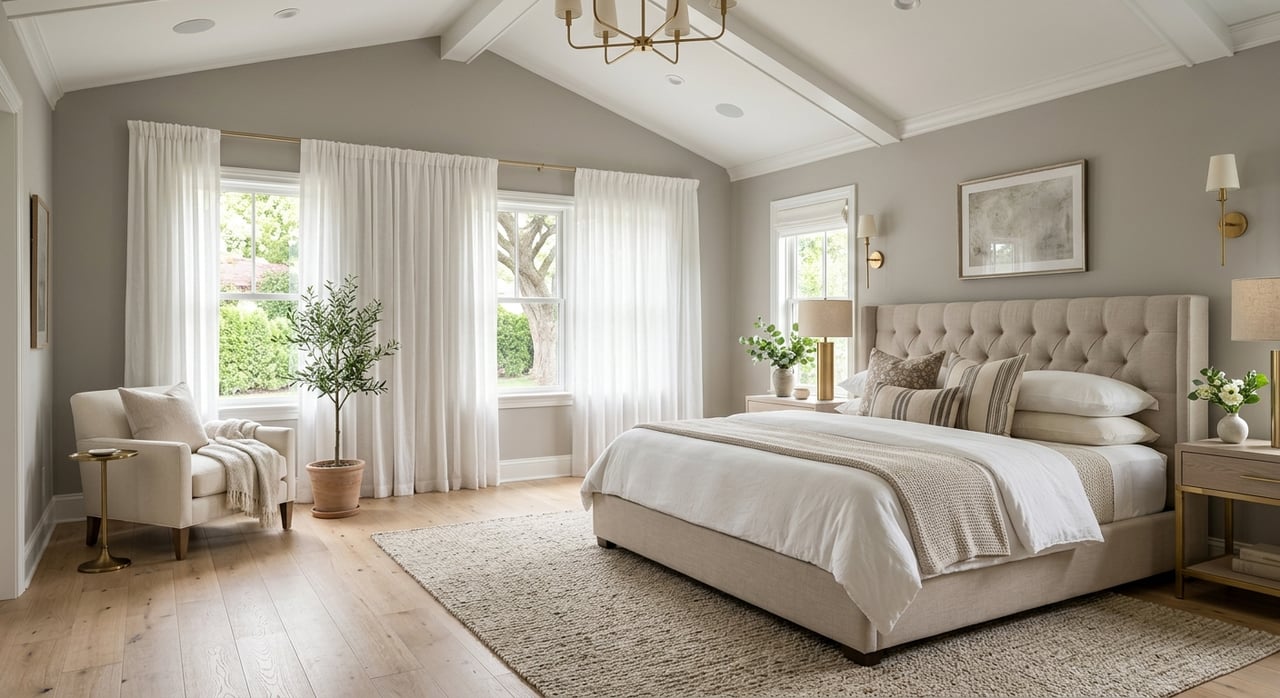
If you are not staging every room, start with the spaces buyers care about most. NAR found that buyers' agents ranked the living room as the most important room to stage, followed by the primary bedroom and the kitchen. Sellers' agents most often staged those same areas, along with the dining room.
In Ho-Ho-Kus, those priority rooms make sense. Buyers want to quickly understand where they will gather, cook, relax, and start or end the day. When those rooms feel bright, open, and easy to use, the entire home often feels more move-in ready.
Here is the best order to focus your effort:
- Living room
- Primary bedroom
- Kitchen
- Dining room
- Entryway
The goal is not to remove personality entirely. The goal is to create a clean, balanced setting that lets buyers focus on the home's size, light, and layout.
What staging should highlight in older, larger homes
Because Ho-Ho-Kus has many older homes, staging should do more than add attractive furniture and decor. It should help buyers read the space correctly. That often means clarifying how a room functions, improving visual flow, and making the home feel cared for.
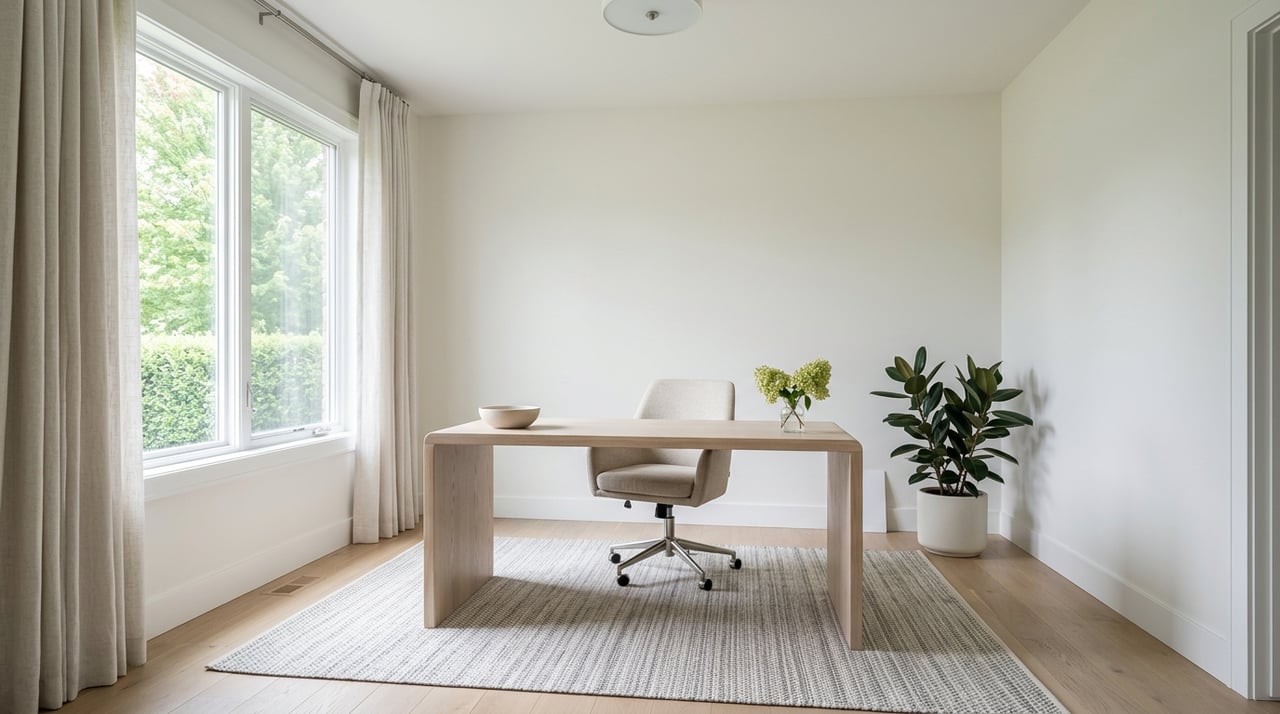
In larger homes, too much furniture can work against you. A room may be generous in person but look crowded in photos if seating is oversized or arranged poorly. Editing down furniture and accessories can make scale easier to understand.
Natural light also matters. Clean windows, lighter textiles, and simple window treatments can help brighten rooms that might otherwise feel heavy. In homes with traditional architecture or older finishes, this can make a major difference in how fresh the property feels.
The highest-value prep steps
You do not need a full renovation to make staging work. NAR's 2025 report found that the most common seller-prep recommendations were decluttering the home, entire-home cleaning, and improving curb appeal. Paint touch-ups, painting walls, landscaping, carpet cleaning, minor repairs, professional photos, and depersonalizing were also among the most common suggestions.
Zillow's 2024 seller survey shows a similar pattern. Most sellers who made improvements focused on practical cosmetic updates like interior painting, bathroom improvements, kitchen improvements, landscaping, floor or carpet repair, exterior painting, and new appliances. That tells you staging typically works best alongside smart, visible prep.
For many Ho-Ho-Kus homes, the strongest priorities are the ones buyers notice right away:
- Fresh paint or touch-ups
- Repaired trim and minor cosmetic fixes
- Clean or updated flooring
- Reduced clutter and personal items
- Simplified furniture placement
- A clean, welcoming entry
- Polished living room, kitchen, and primary bedroom
These updates help the listing feel easier to understand and easier to trust.
Start with curb appeal
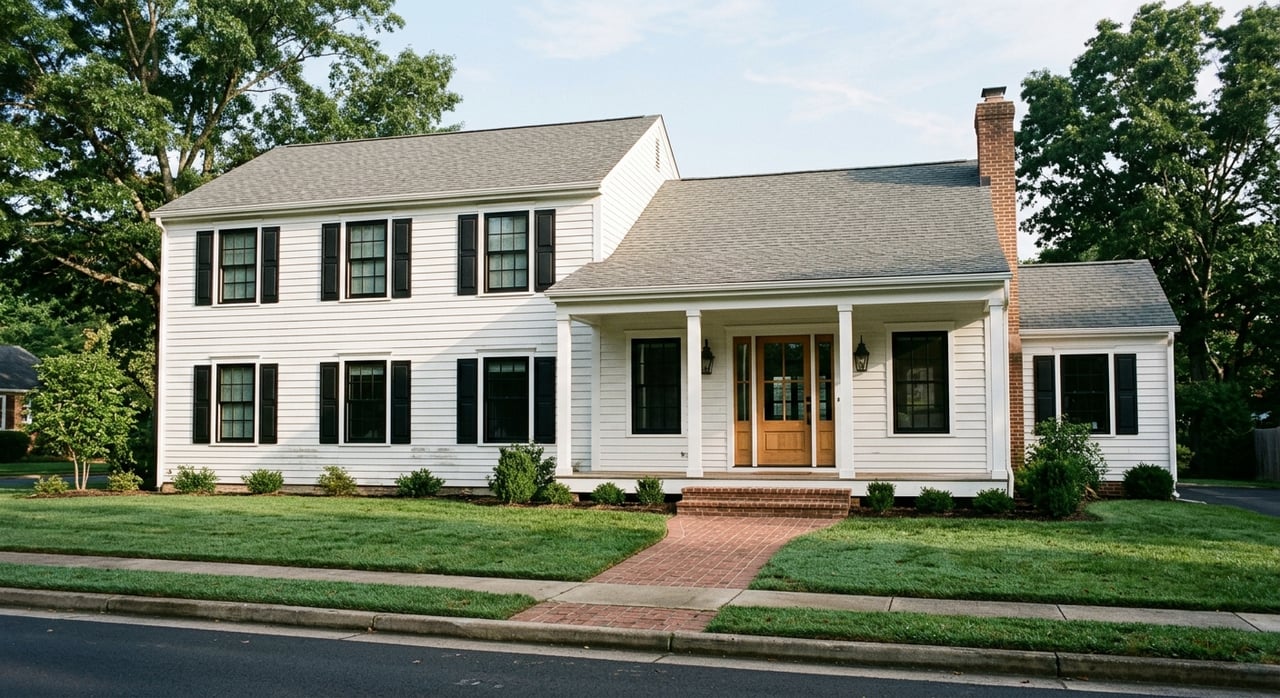
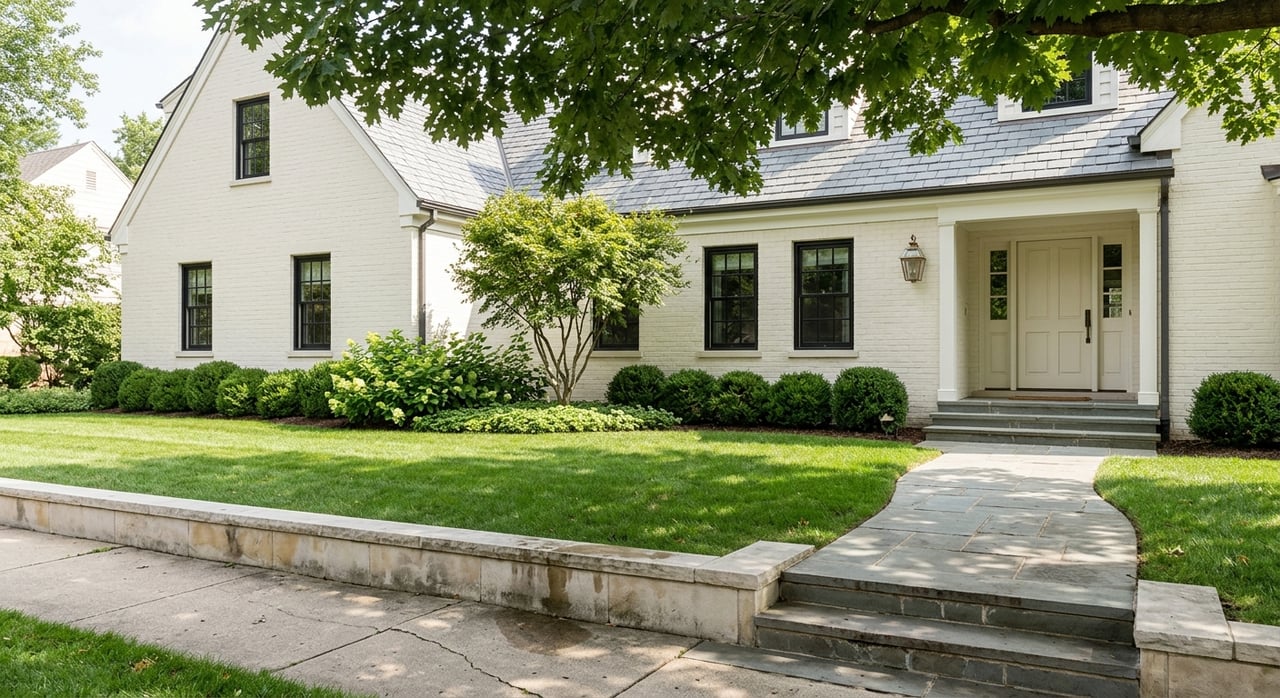
Staging does not begin inside. Buyers start forming an opinion as soon as they pull up to the house or scroll to the first exterior photo. That is why curb appeal remains one of the most common seller-prep recommendations.
A tidy front approach, clean landscaping, and a well-kept entry can set the tone for the entire showing. In a market with many established homes, exterior details can reassure buyers that the property has been maintained over time. Even simple improvements can help create that impression.
If you are deciding where to invest a little more, the 2025 Cost vs. Value report for the Middle Atlantic region found strong average recoupment for garage door replacement, steel entry door replacement, manufactured stone veneer, fiber-cement siding replacement, and minor kitchen remodels. These are regional averages, not guarantees, but they support a familiar pattern: focused exterior upgrades and light kitchen work often outperform large pre-sale remodels.
What to do if your budget is limited
A limited budget does not mean staging is off the table. In fact, some of the most effective prep steps are also the most practical. Decluttering, cleaning, and improving curb appeal consistently rank among the most common and useful recommendations.
If you need to prioritize, focus on the changes that will show up in photos and showings right away. A clean home with edited furniture, fresh paint touch-ups, and better lighting can make a stronger impression than an expensive project buyers barely notice.
A smart budget-first staging plan often looks like this:
- Declutter and depersonalize
- Deep clean the entire home
- Complete minor repairs
- Touch up or repaint key walls and trim
- Improve curb appeal
- Stage the main rooms
- Schedule professional photography when everything is fully ready
That sequence helps you avoid spending money in the wrong order.
Is virtual staging enough?
Virtual staging can be helpful, but it usually should not carry the full load. Buyers still place strong value on photos, in-person viewings, physical staging, floor plans, and 3D tours. Zillow's survey also showed that many buyers want more 3D tours because they help them understand space better than static images alone.
A better approach is to think in layers. Physical staging helps the home show well in person. Professional photography captures that presentation online. Floor plans and 3D tours then help buyers understand the layout before they book a showing.
For a Ho-Ho-Kus home, that combination is especially important. Buyers are often evaluating room size, flow, and how an older home has been maintained or updated. The clearer that story is, the easier it is for them to move forward.
How seller prep can be coordinated
One of the biggest challenges for sellers is not deciding whether staging matters. It is figuring out how to manage all the moving parts. Decluttering, painting, repairs, staging, and photography all need to happen in the right order.
Compass Concierge is designed to help with that process by fronting the cost of certain home-improvement services, with payment typically due at closing, subject to program terms. Compass says the program can cover services such as staging, flooring, painting, decluttering, landscaping, interior and exterior painting, cosmetic renovations, and carpet cleaning or replacement.
For sellers in Ho-Ho-Kus, that can create more flexibility around timing and upfront costs. It can also make it easier to complete the kind of prep work that supports a stronger market debut.
A practical staging strategy for Ho-Ho-Kus
The strongest staging plan is usually the one that is disciplined, not overdone. Buyers in Ho-Ho-Kus are often looking at larger homes where room function, maintenance, and presentation all matter. A clean, edited, neutral presentation helps them focus on the home itself.
That does not mean every house should look identical. It means each room should feel purposeful, spacious, and easy to understand. When staging supports the architecture and helps buyers picture daily life in the home, it can make your listing more compelling from the very first click.
If you are thinking about selling in Ho-Ho-Kus and want a clear plan for what to update, stage, and prioritize before listing, Megan Fox can help you build a strategy that fits your home, timeline, and goals.
FAQs
Does staging help increase offers on a Ho-Ho-Kus home sale?
- Yes. NAR's 2025 staging report found that 83% of buyers' agents said staging helps buyers visualize a property as a future home, and 17% said it increased the dollar value offered by 1% to 5% compared with similar unstaged homes.
Which rooms should sellers stage first in a Ho-Ho-Kus home?
- Start with the living room, primary bedroom, and kitchen. NAR identified these as the highest-priority rooms for staging based on buyer-agent feedback.
What staging steps matter most if a Ho-Ho-Kus seller has a limited budget?
- Begin with decluttering, deep cleaning, curb appeal, paint touch-ups, and professional photos. These were among the most common seller-prep recommendations in NAR's 2025 report.
Is virtual staging enough for marketing a Ho-Ho-Kus listing?
- Usually no. Buyers still respond strongly to physical staging, professional photos, floor plans, 3D tours, and in-person visits, so virtual staging works best as one part of a larger presentation plan.
Why is staging especially useful for older Ho-Ho-Kus homes?
- Ho-Ho-Kus has a large share of older single-family homes, many built before 1970. Staging can help clarify layout, improve the sense of light and space, and reduce distractions that may make rooms feel smaller or more dated than they are.